2026
0

Breath as a Commodity

Sector
Health and Wellbeing
Role
Design Researcher
Art Direction
3D-modelling
Arduino
Stakeholder management
Platform
Speculative Design
Co-design workshops
Electronics
Subverting the vaping paradox by replacing punitive surveillance with sensory care.

Investigating Singapore's vaping paradox through the tension between state surveillance and global marketing framing inhalation as a 'wellness' lifestyle. Co-design workshops reveal that youths are indifferent to fear-based warnings, preferring sensory relief and mood regulation. Through speculative artefacts Breath Pet, Breath Bank and Breath Gear, the project critiques how the body is caught between policing and profit. It argues that when fear is policy, apathy is the symptom. Design must shift from control to sensory care.

This work was done as a Final Year project under BA Design Communications in Lasalle College of the Arts, University of the Arts Singapore (UAS).
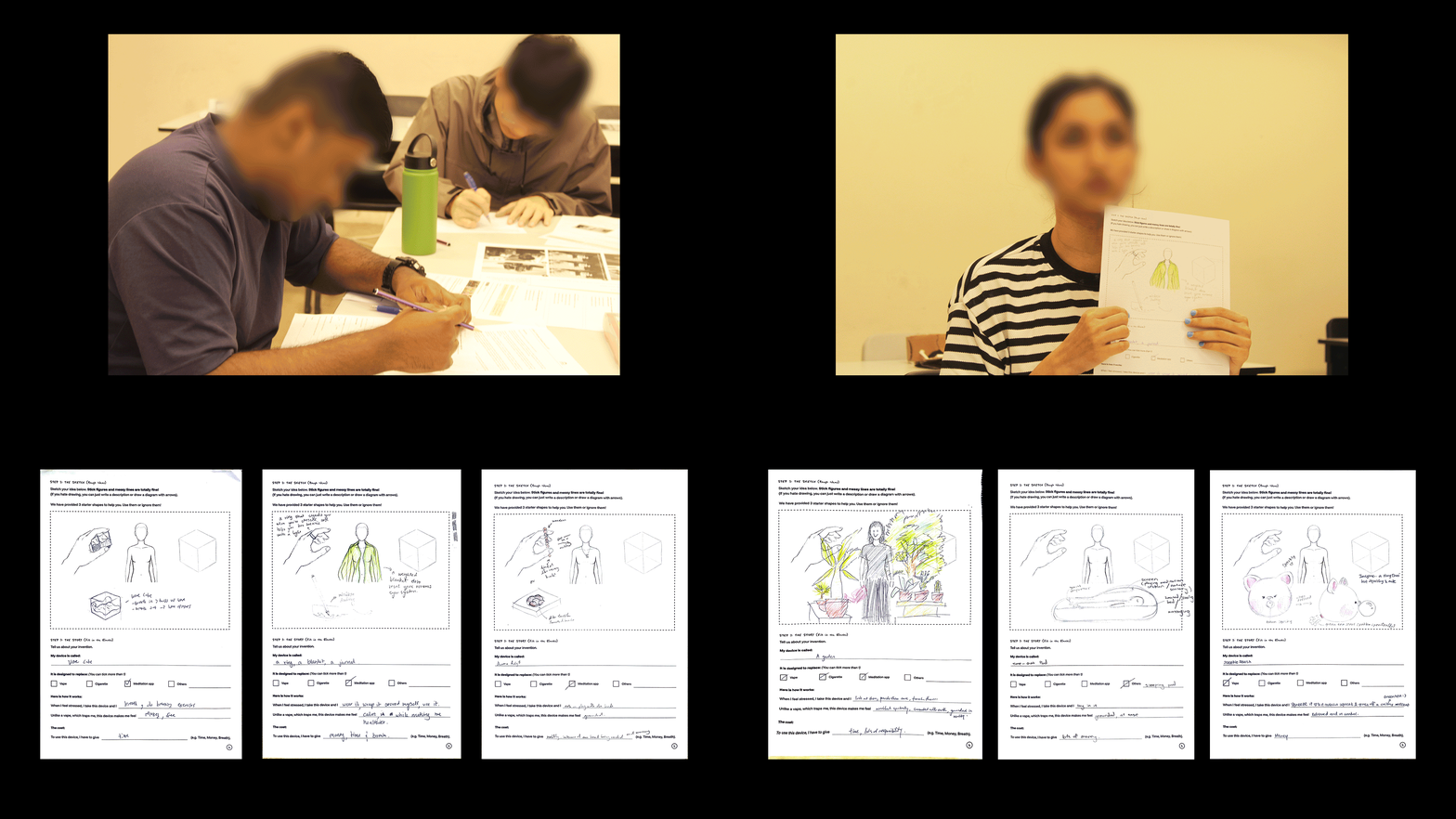
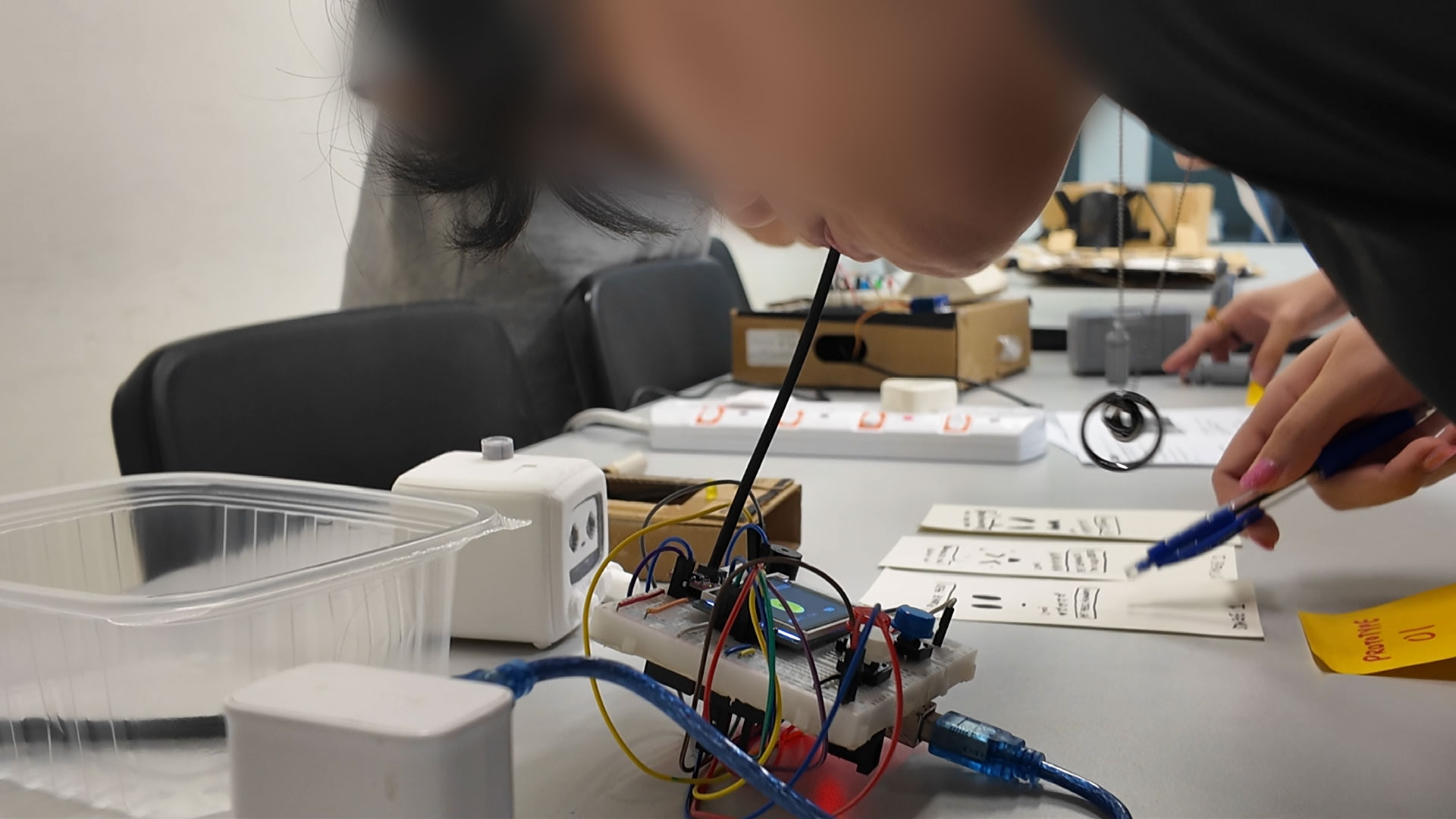
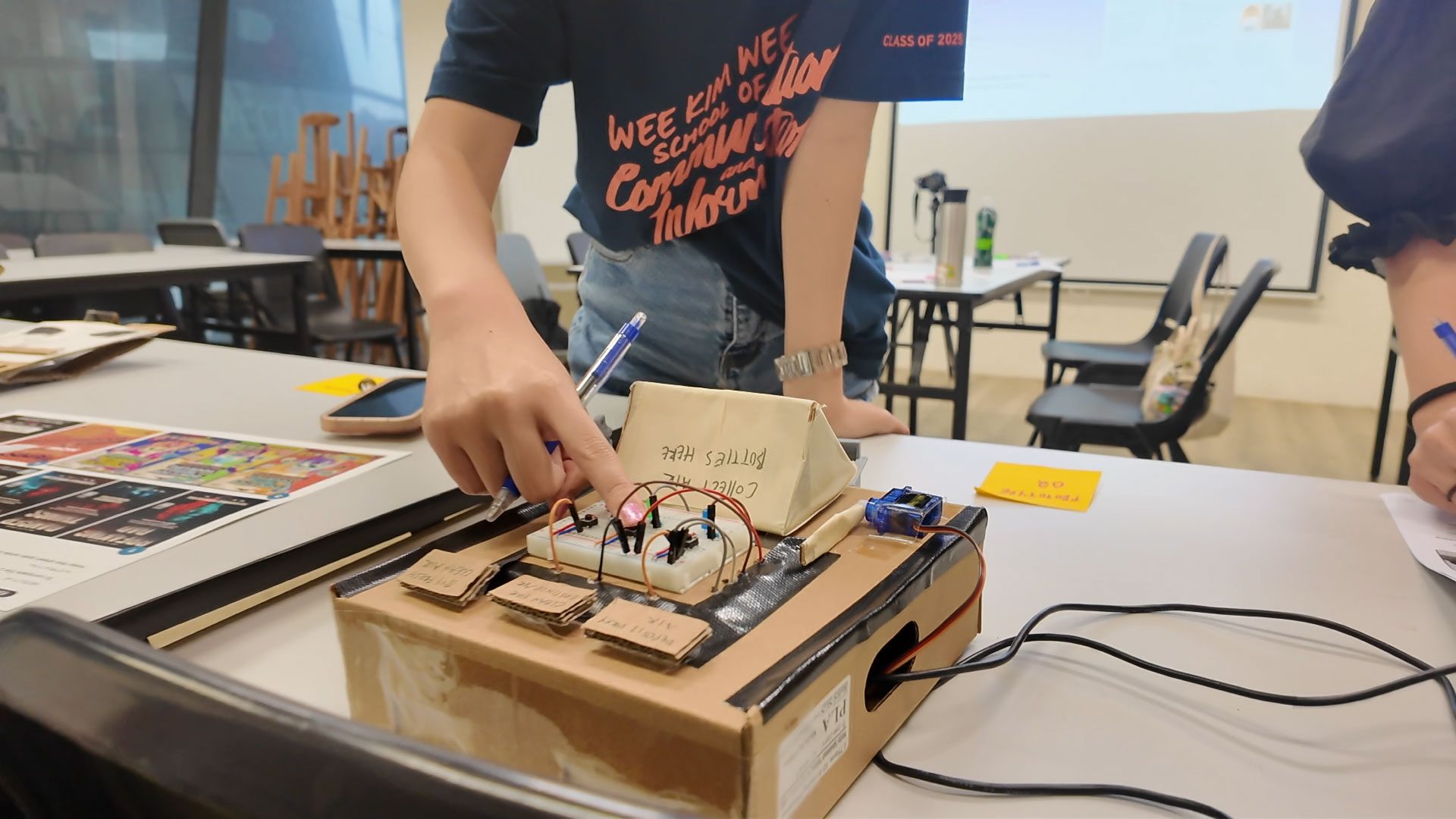
Co-design workshops consisting of vape and non vapers (n = 16). Designing solutions to counter vape.
Research methodology

Using a double diamond framework to bridge macro-societal observations with lived youth experiences, the process began with a media analysis to map Singapore’s unique vaping paradox. This includes investigating the tension between strict state surveillance and the hyper-trendy global marketing framing inhalation as a wellness lifestyle.

To gauge how this tension impacts youths, a survey analysis was conducted. This revealed a huge disconnect, proving that youths are largely indifferent to fear-based warnings and instead utilise vapes for internal sensory relief and mood regulation.

Finally, these insights were incorporated into co-design workshops, engaging young people directly to uncover their personal coping rituals. By moving from structural critique to collaborative research, the process directly informed the creation of speculative artefacts that propose a paradigm shift from punitive control to sensory care.
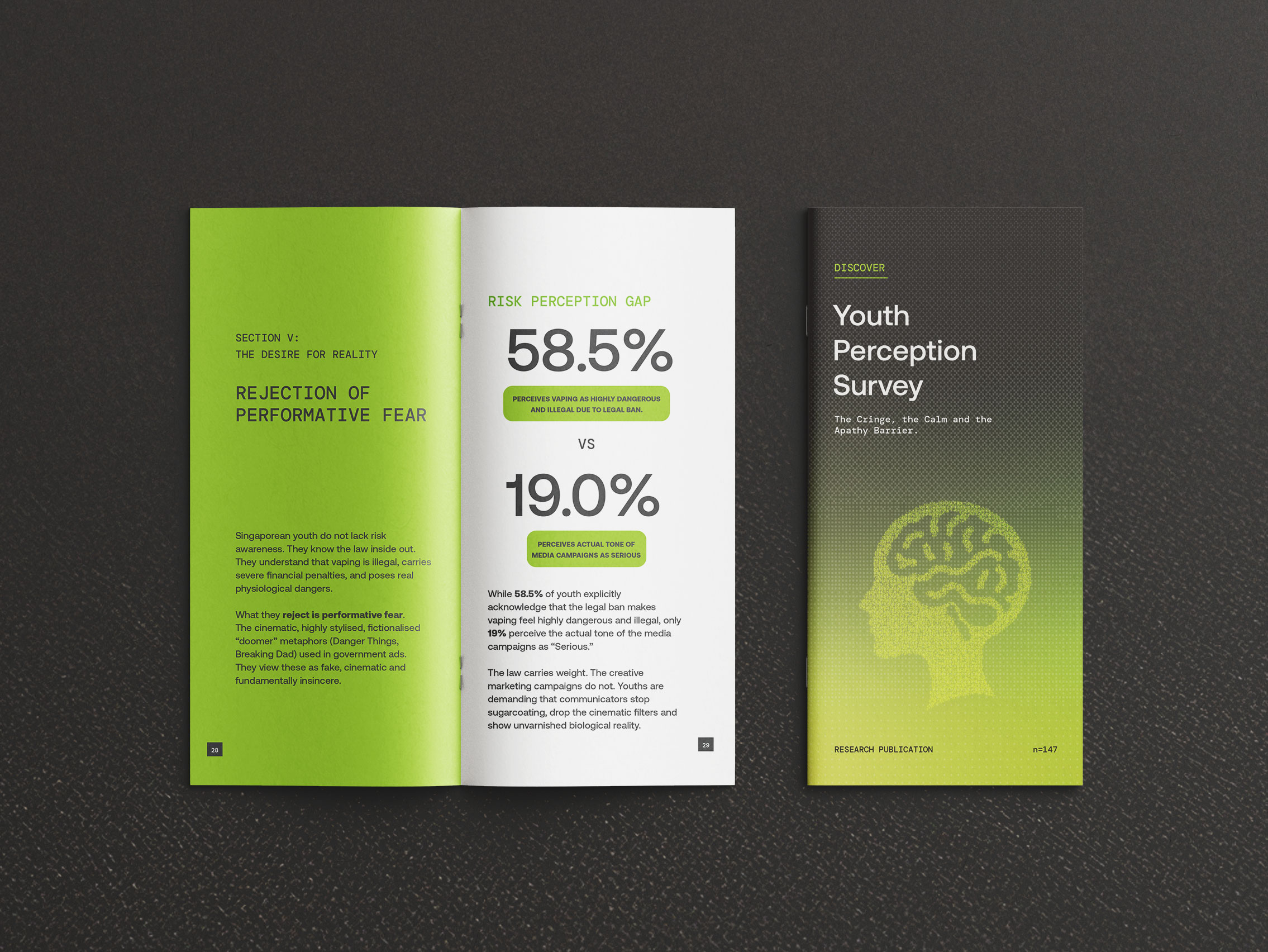
Media analysis consisting of 10 state anti-vape ads vs 10 global vape ads (n = 20). The purpose of this analysis was to investigate the tension between Singapore’s strict state warnings and the seductive global marketing framing vaping as a wellness lifestyle. Youths are largely attracted to global marketing due to the visual language used.
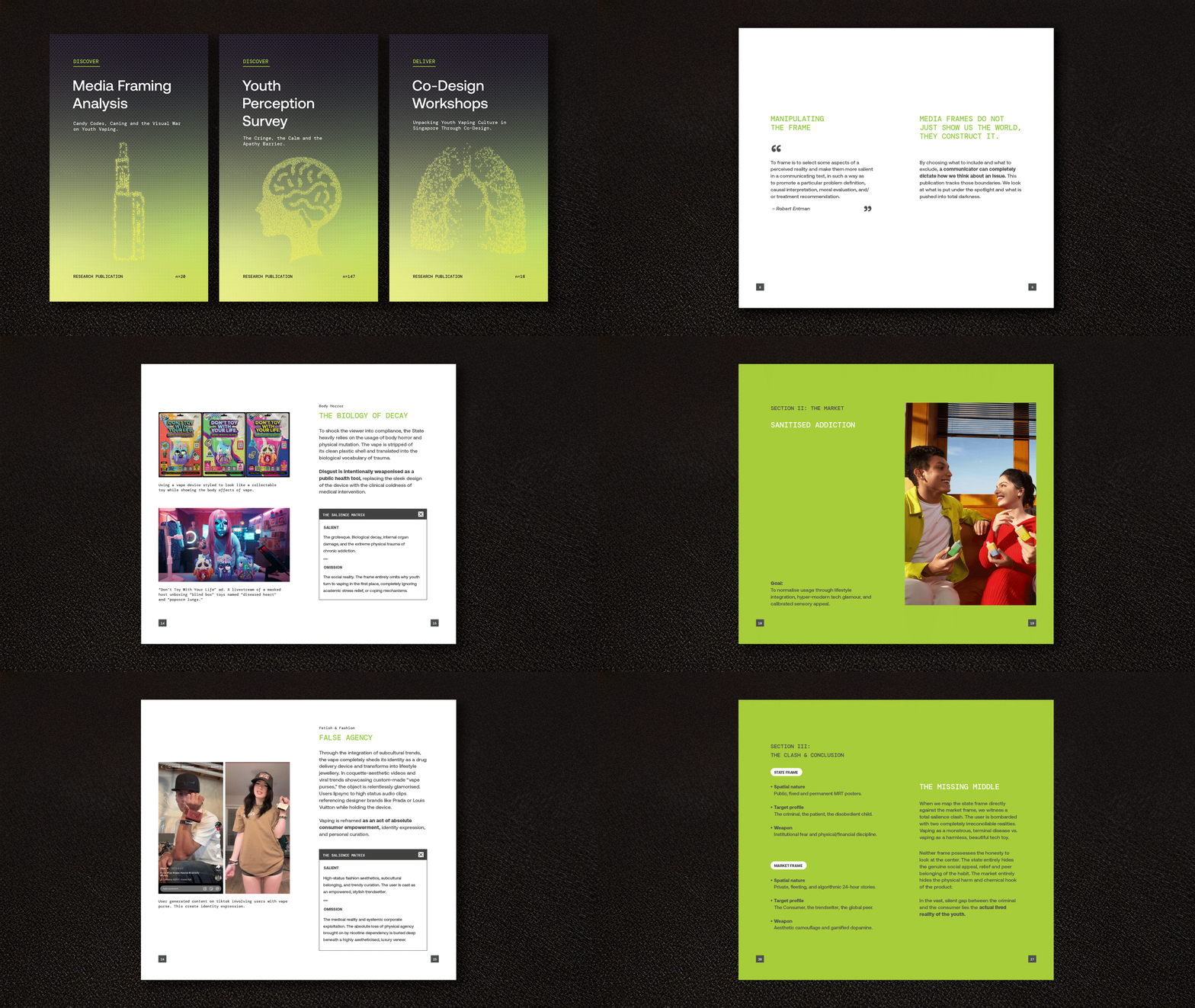
Survey analysis consisting of 147 youths (n = 147) from aged 18–35 years old. This age range was chosen because vaping media circulate across youths’ social spaces. Findings reveal that youths are largely indifferent to fear-based deterrents, instead utilising vapes for internal sensory relief and mood regulation.
Purpose of Speculative Artefacts

The speculative artefacts were developed as physical provocations to bypass passive health warnings and make abstract socio-political systems tangible. Rather than serving as final commercial solutions, these three design probes functioned as critical research tools to test how youth navigate the boundaries of state control and market manipulation.

The Breath Pet in global wellness marketing by packaging intentional breathing into a gamified digital companion to evaluate consumer skepticism.

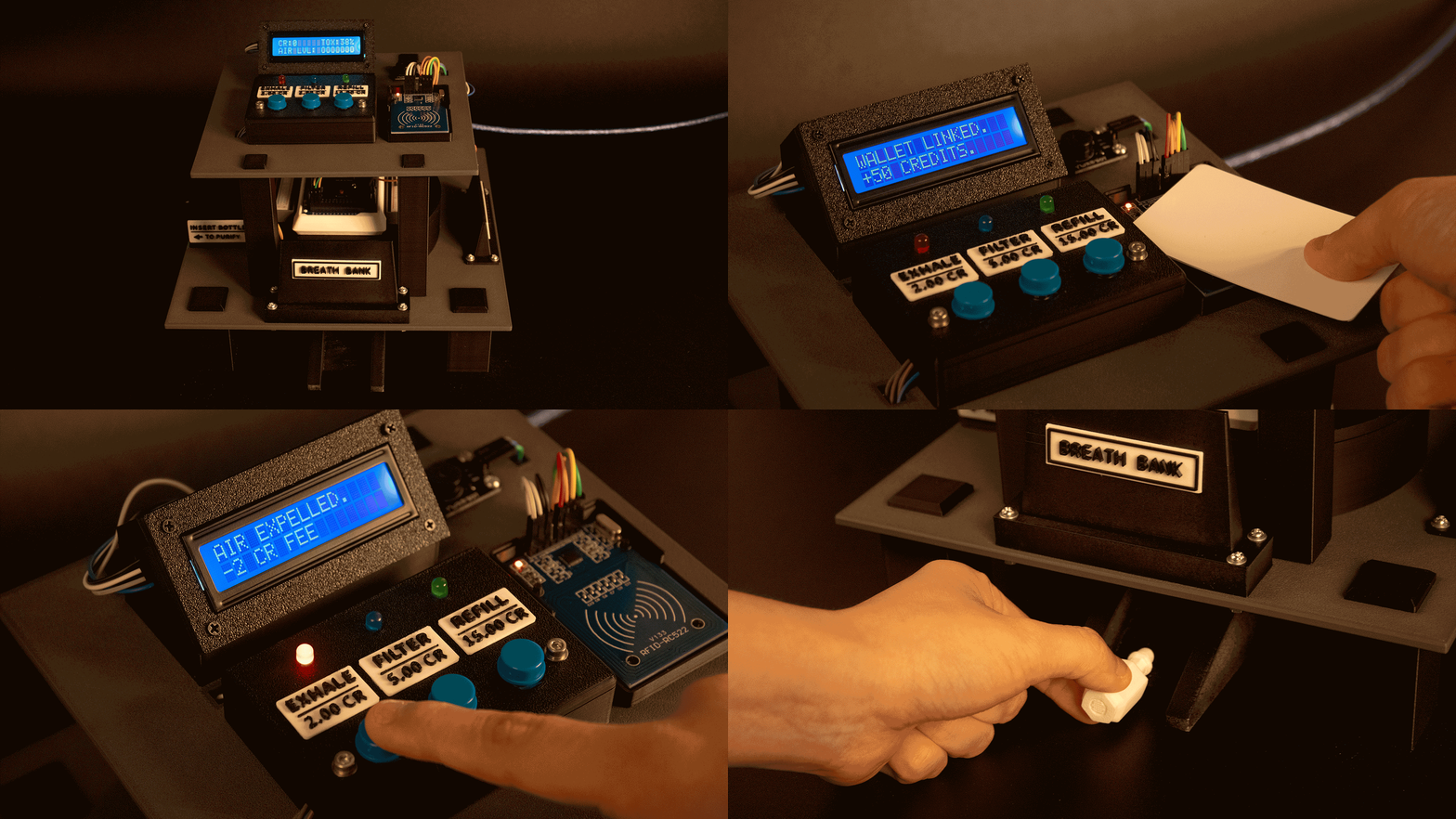
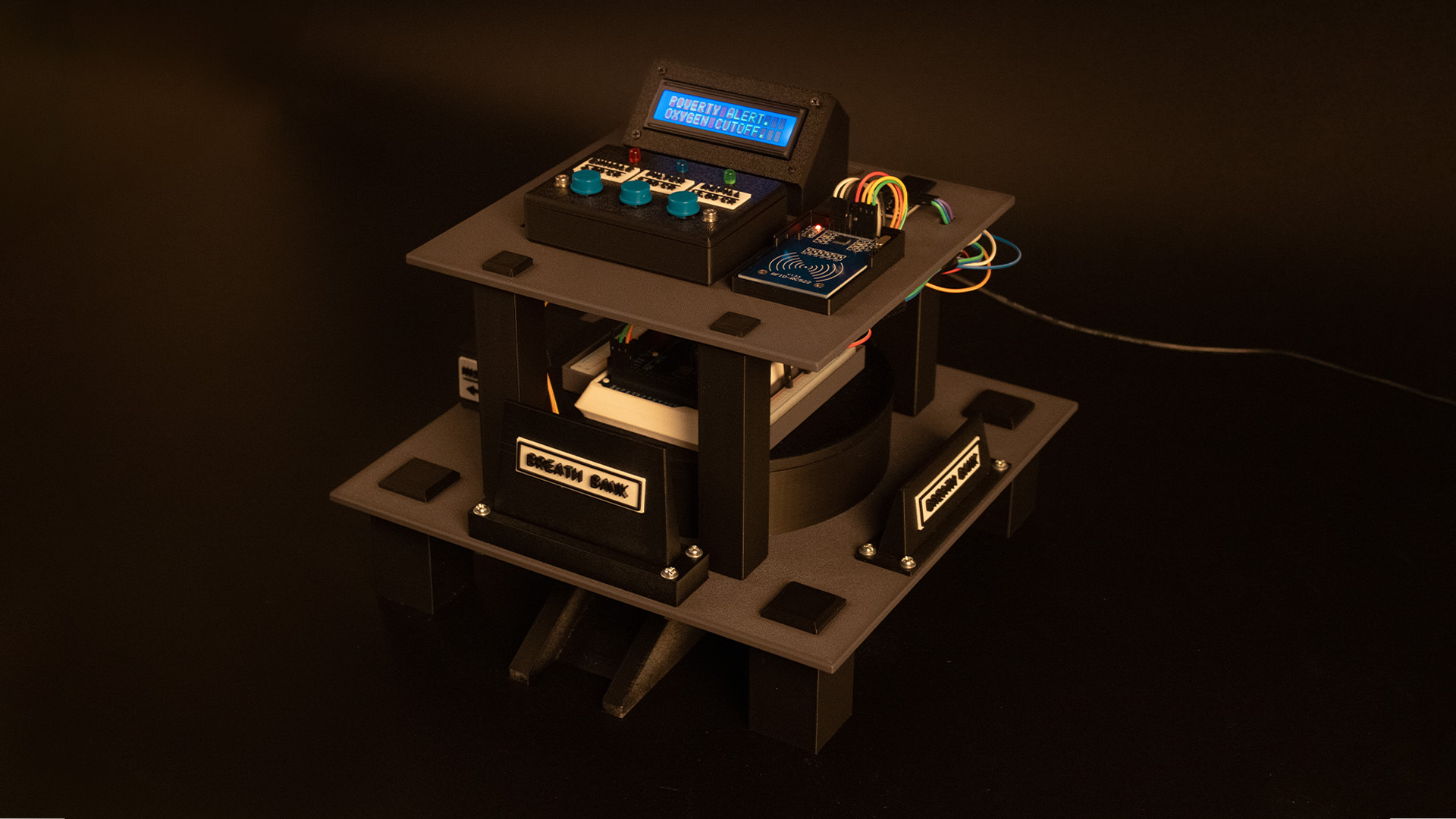
In contrast, the Breath Bank exposed the financial commodification of breath by forcing users to physically purchase an inhale, materialising the transactional nature of addiction.

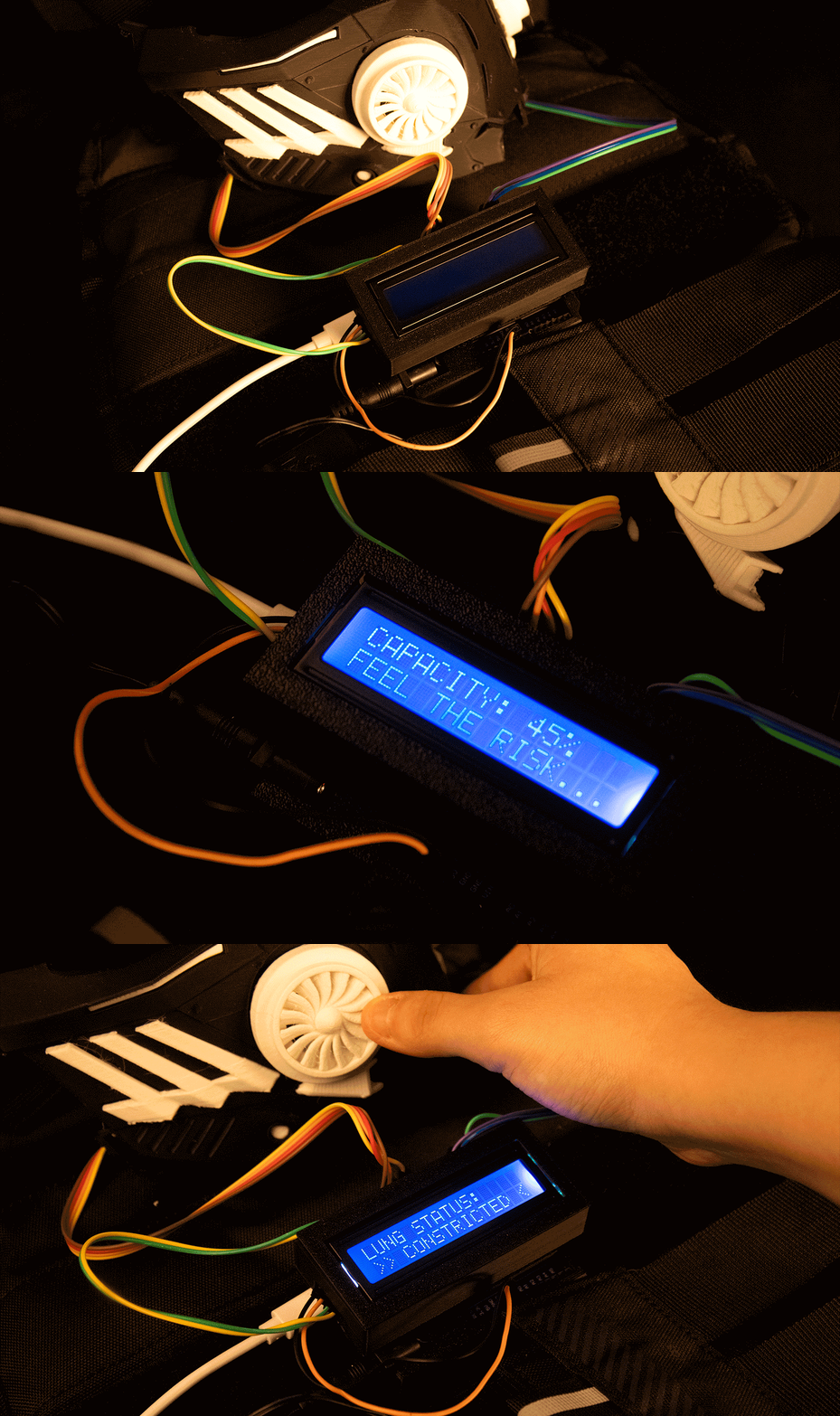
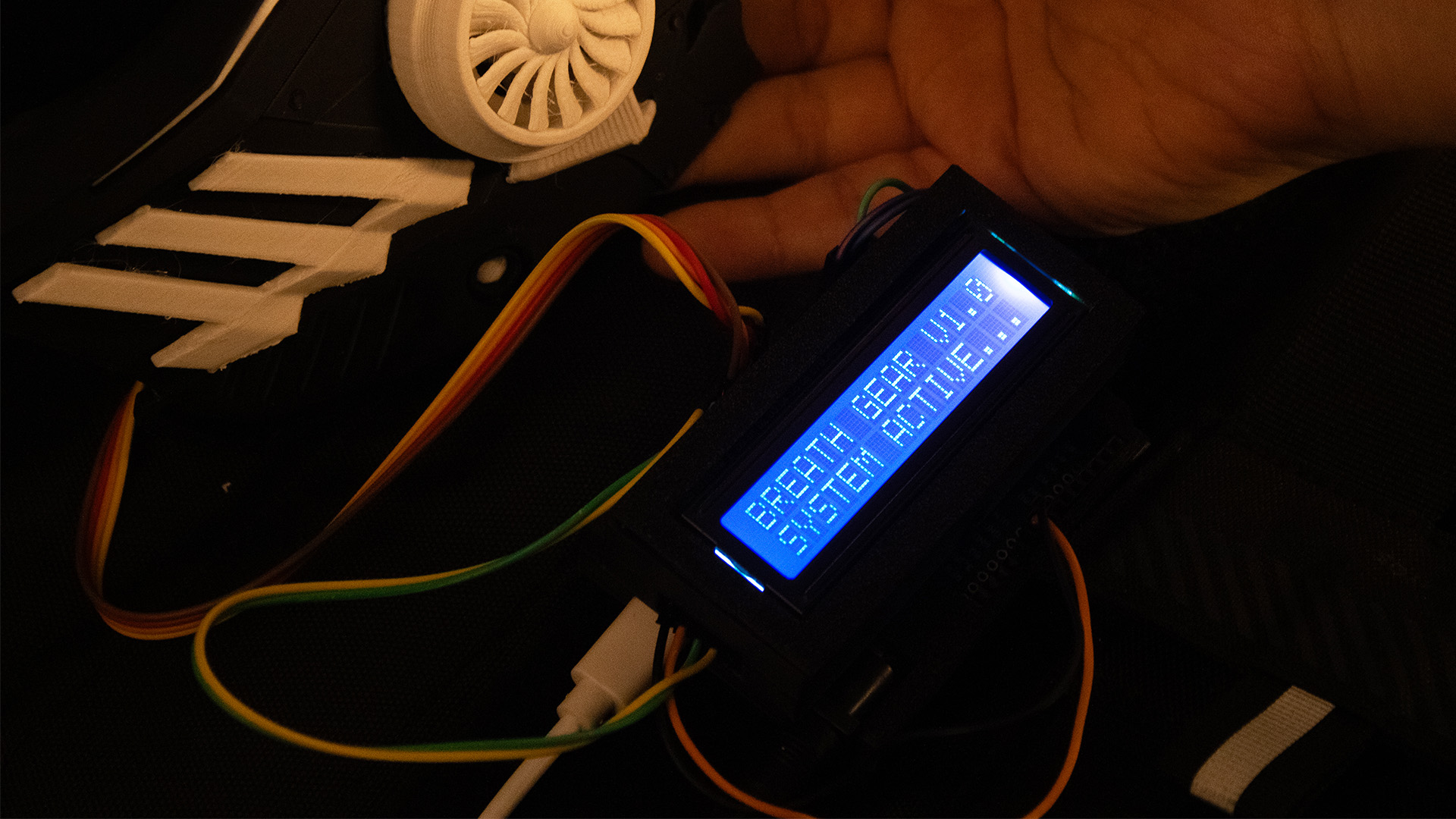
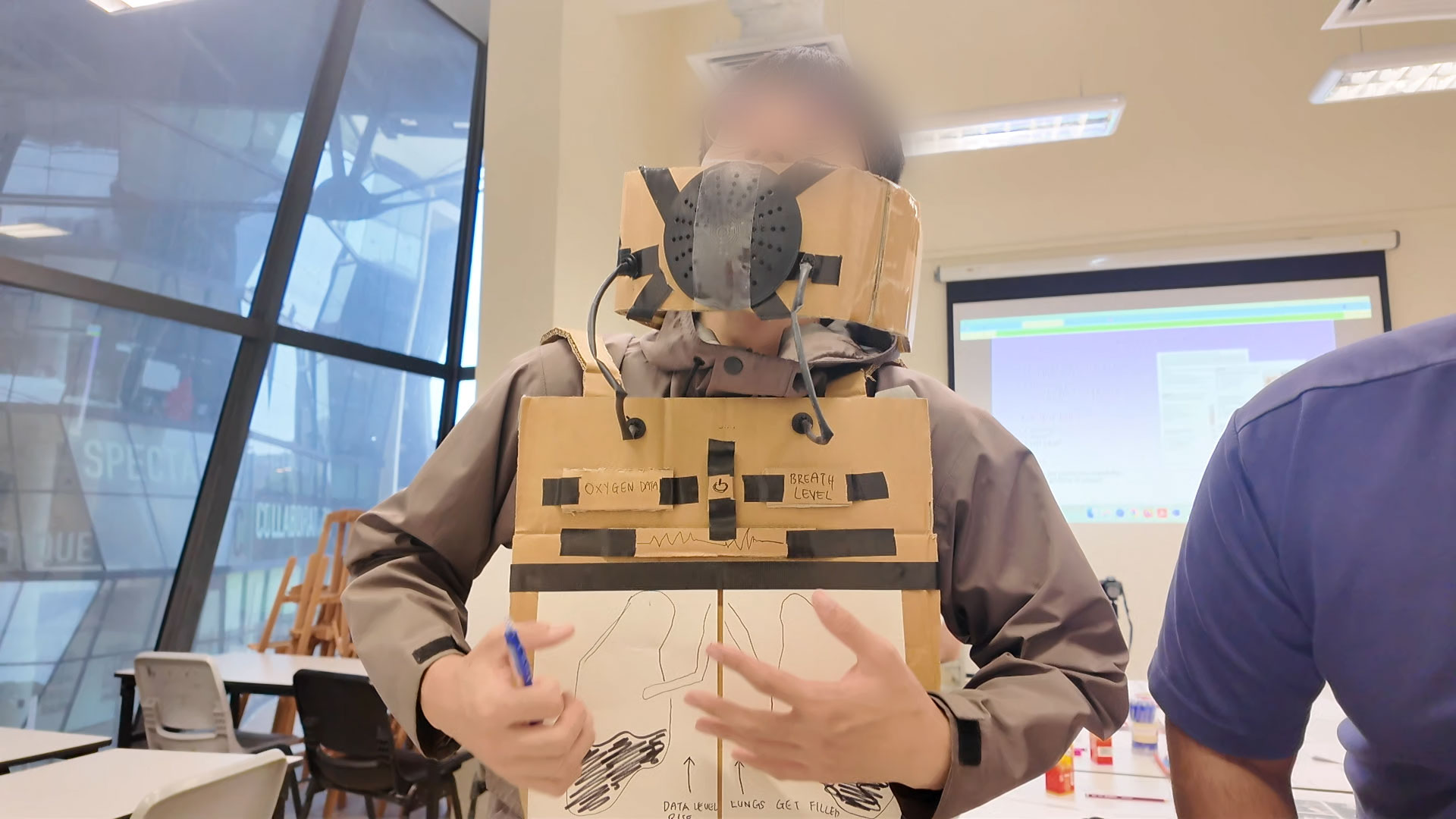
Finally, the Breath Gear manifested the state's warning rhetoric through a wearable device that physically constricts the chest to simulate lung restriction. Together, these interventions disrupted participant apathy during workshops and anchored the structural shift from systemic control to sensory care.
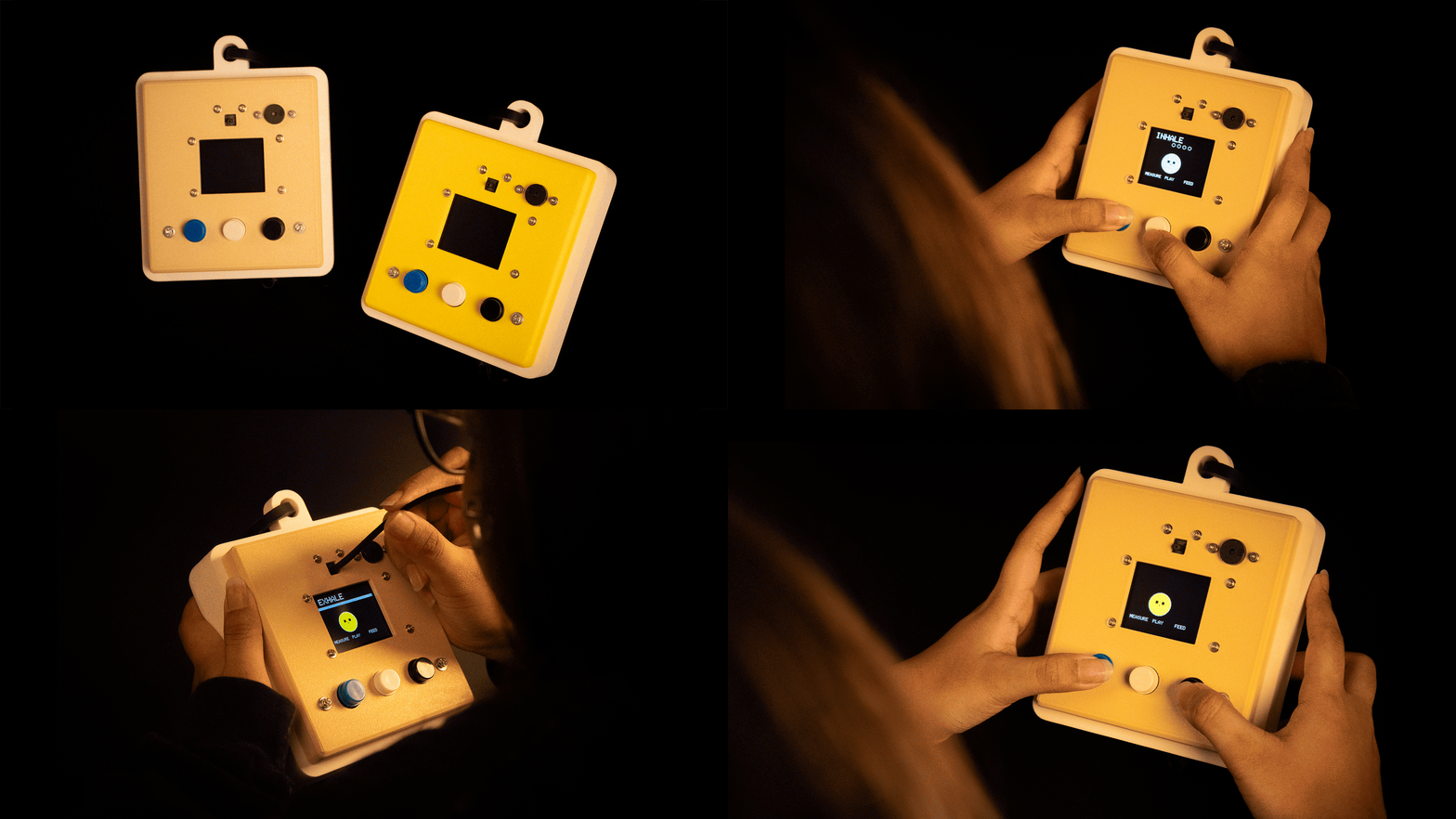
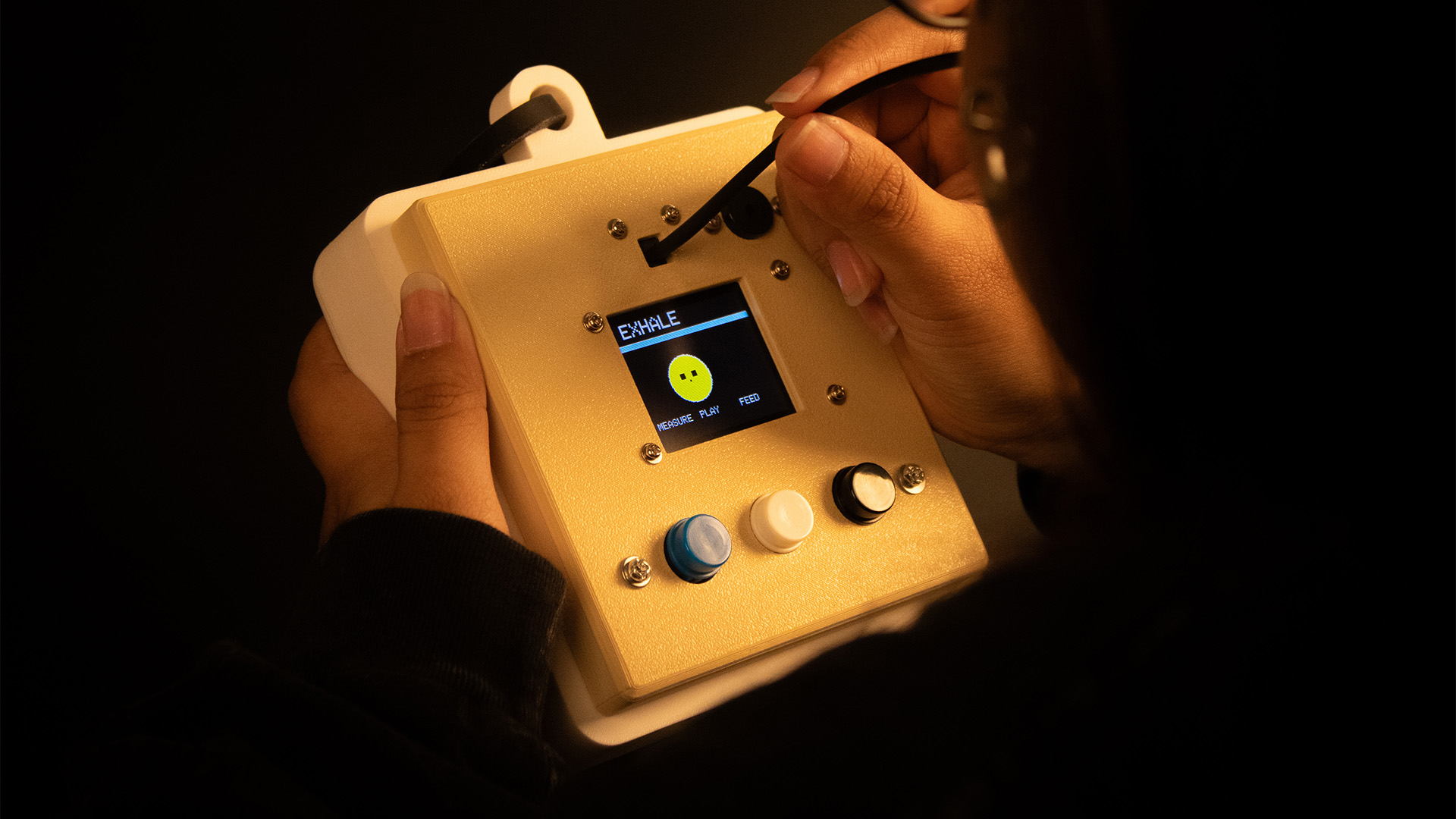
This digital companion investigates global wellness marketing by packaging breathing exercises into a gamified interface while borrowing the visual language of vapes.
During workshops, 80% of participants responded with media scepticism, viewing the artefact as a corporate gimmick while simultaneously acknowledging its practical potential as a tactile pacifier to keep their hands busy.
Breath Bank
A critical probe that exposes the transactional commodification of air by requiring users to pay a financial fee to take a normal breath physically.
By materialising the transactional nature of addiction, the artefact caused youths to strongly reject its capitalist framework, with participants noting that paying for an inhale felt deeply wrong.
Breath Gear
This wearable device translates abstract state health warnings into an immediate sensory burden by physically constricting chest expansion.
The artefact provoked the most visceral responses of the workshop, breaking through youth apathy as participants expressed that the intense physical restriction made them feel like a cancer patient.
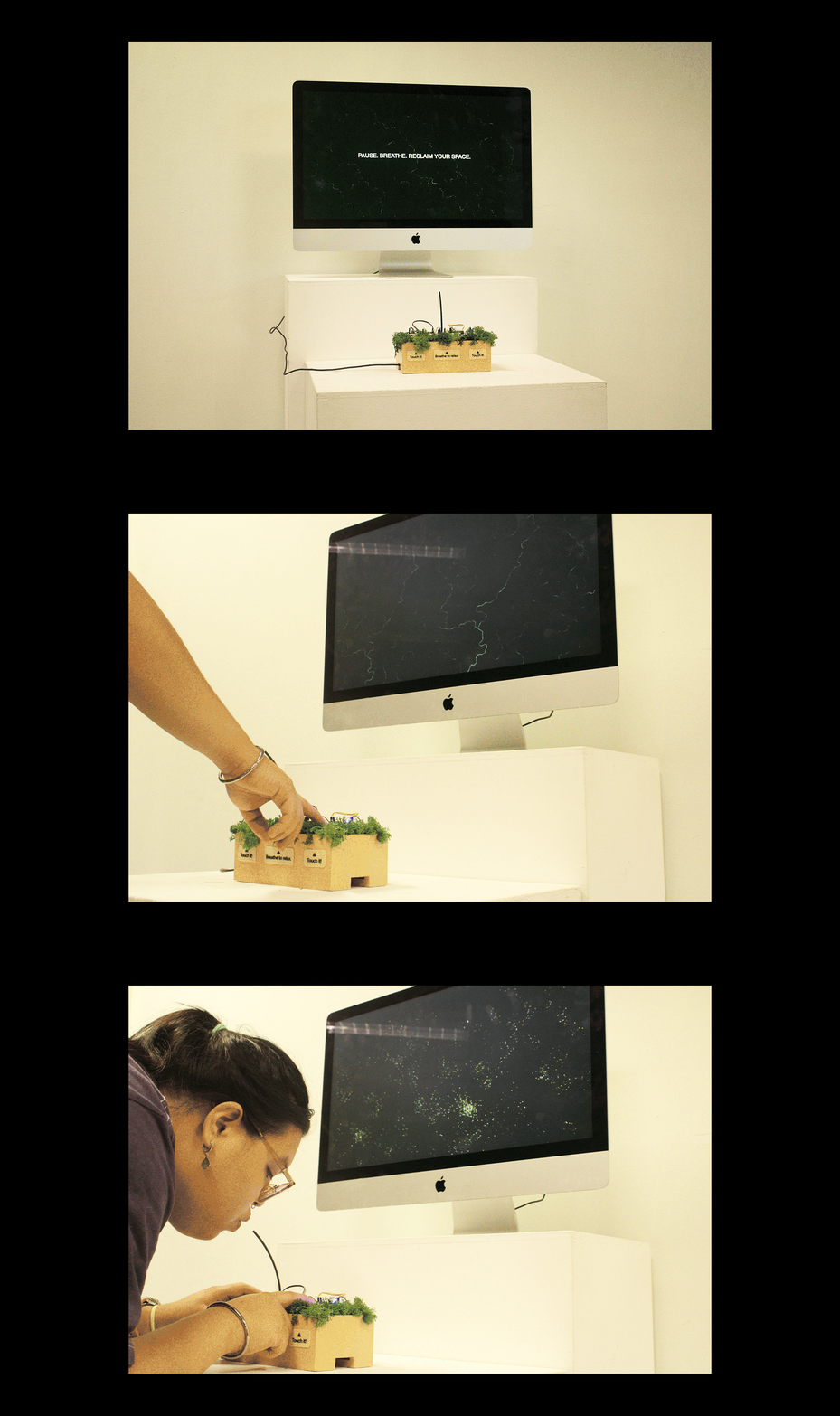
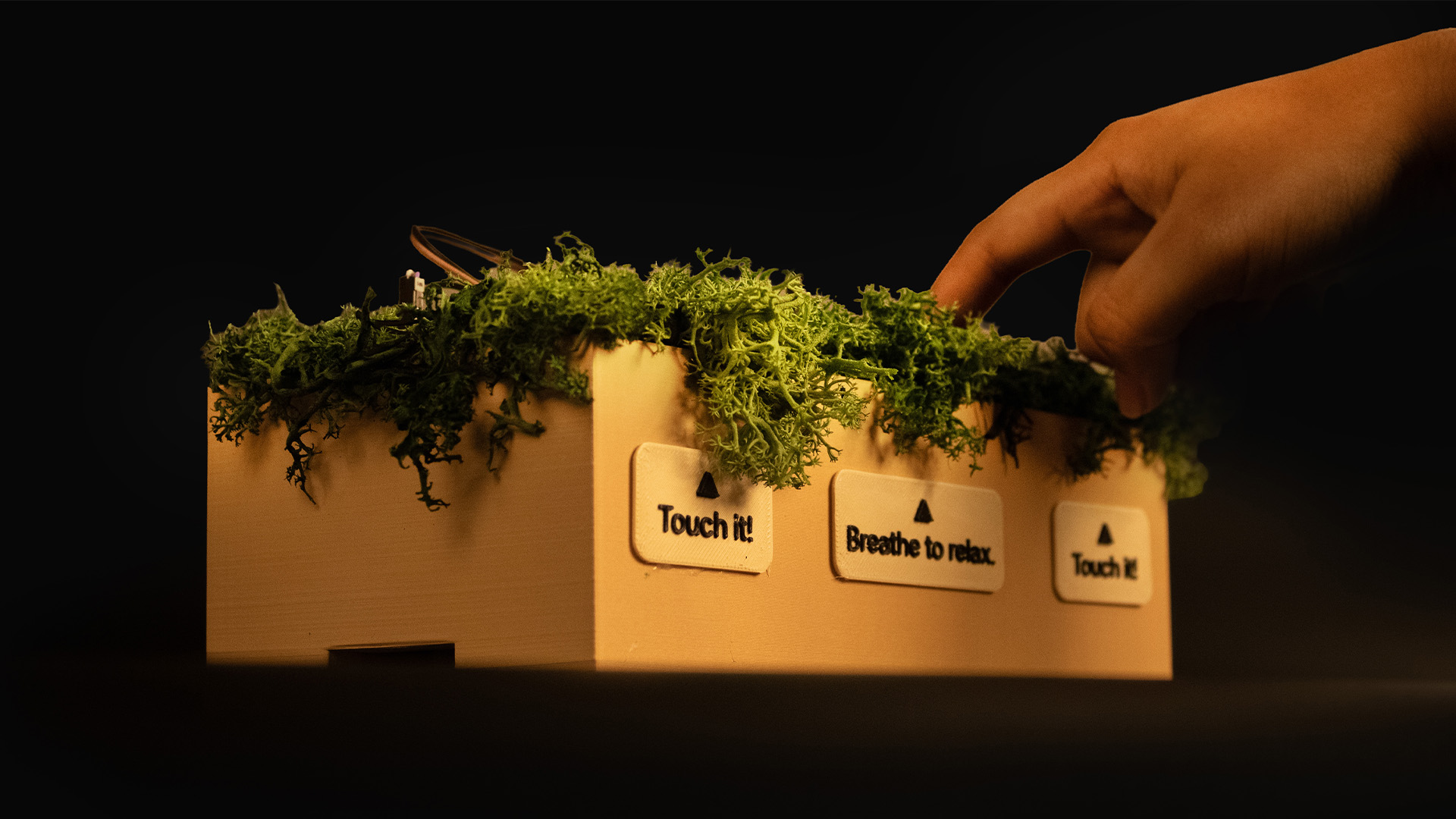
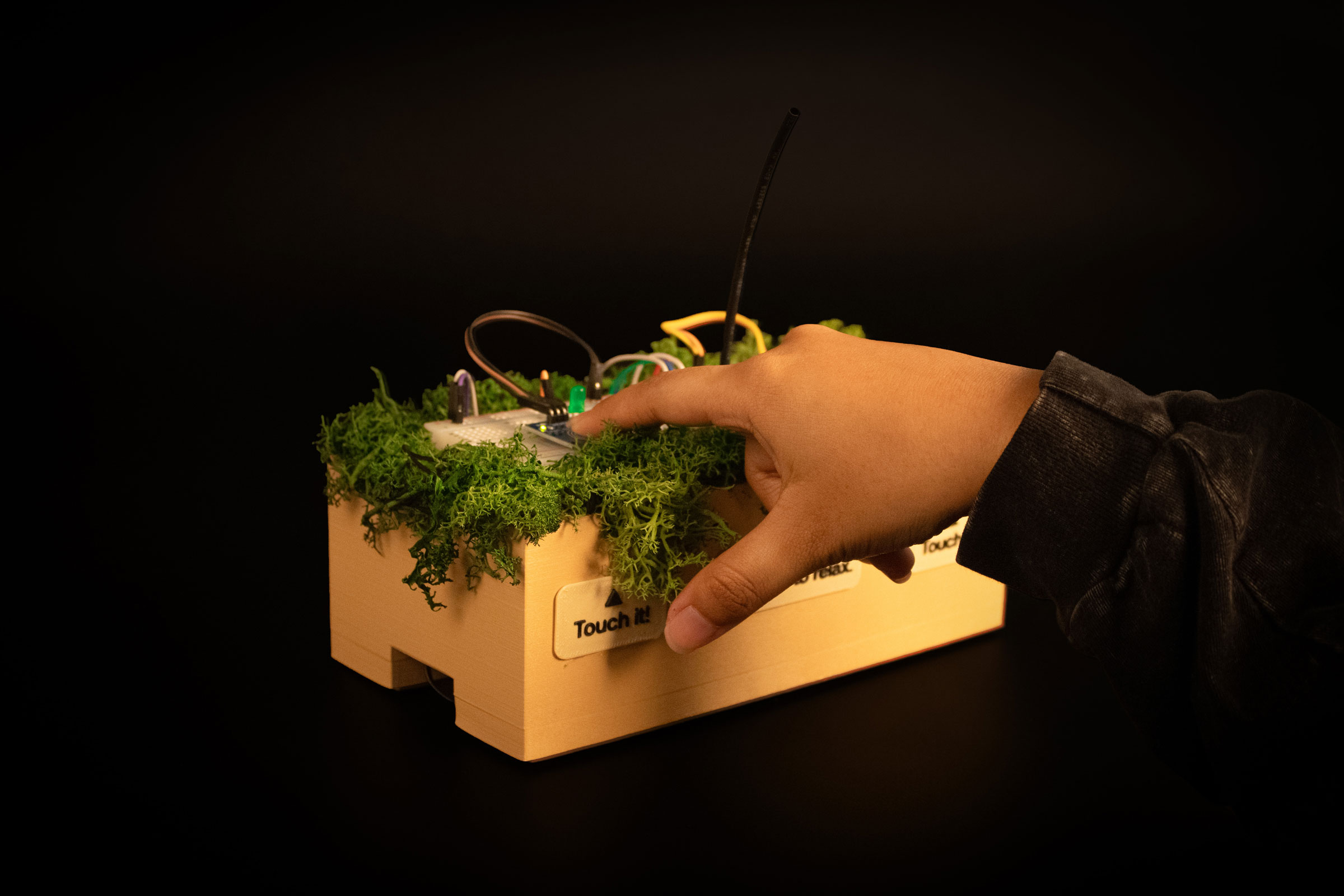
The Care Terminal represents the ultimate strategic pivot of the project, shifting the focus from punitive surveillance to affective engagement.
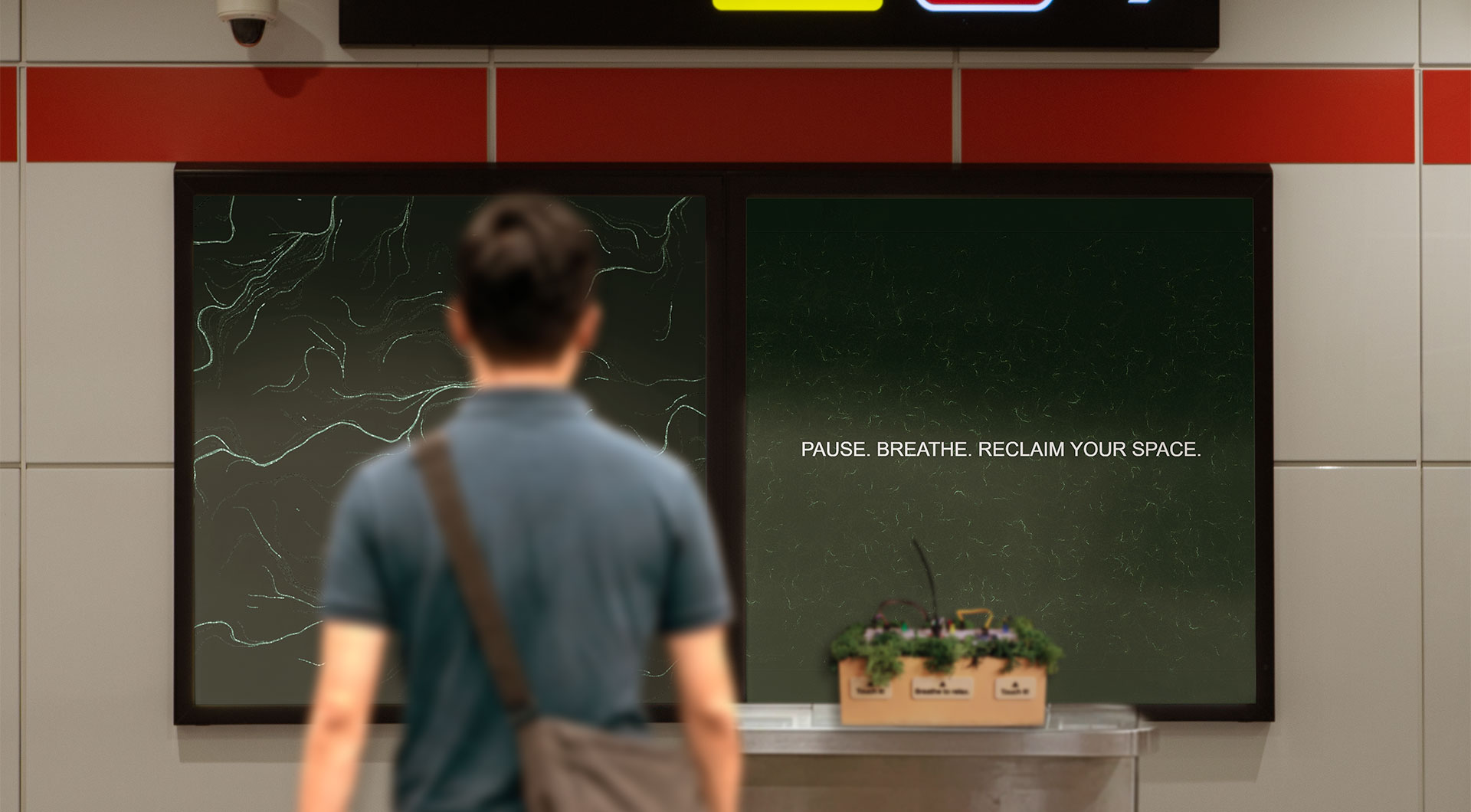
Functioning as a piece of embodied public infrastructure, this interactive installation proposes transforming public media environments from sites of fear and judgment into sanctuaries of sensory relief.
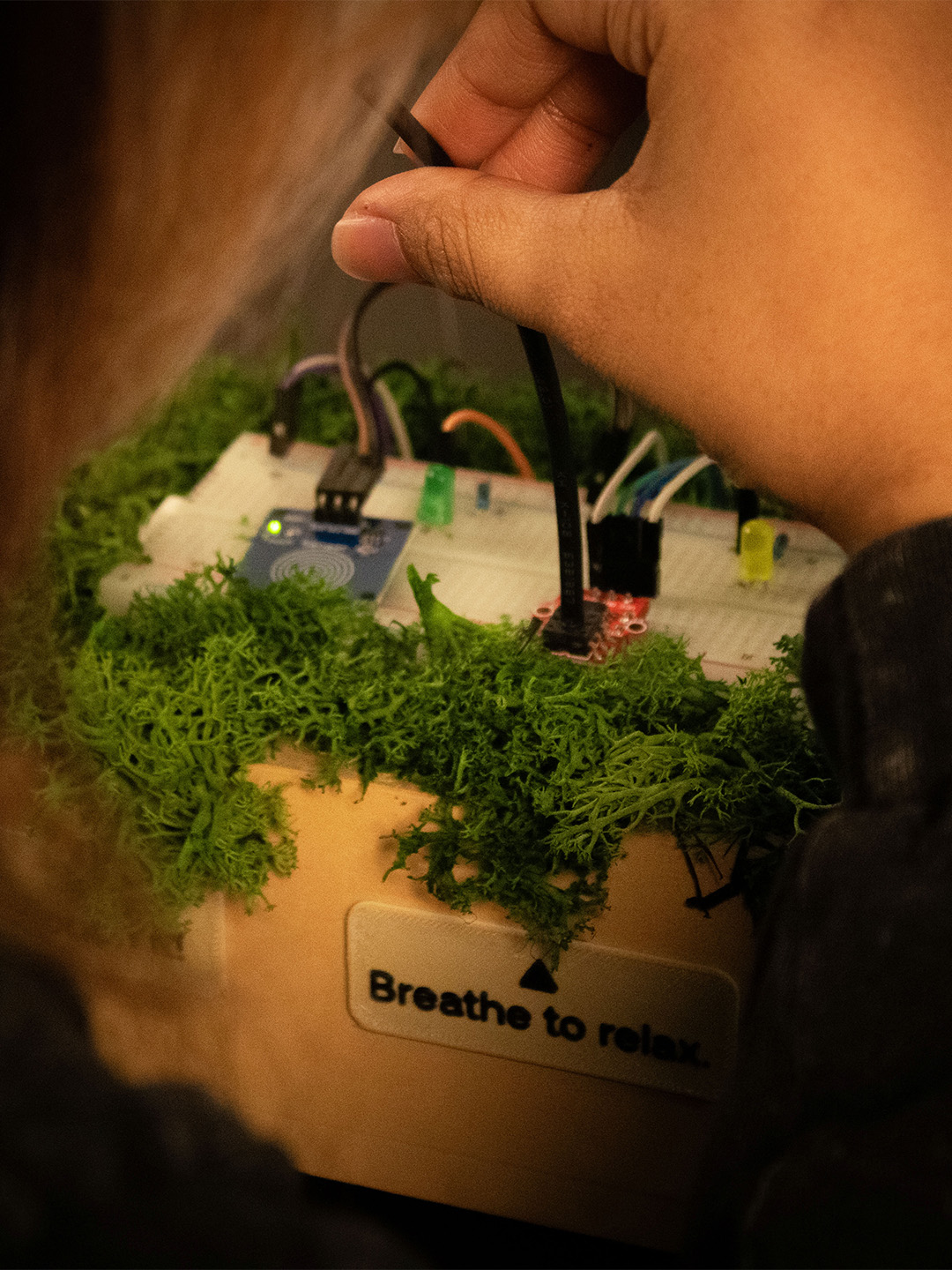
Unlike state tactics that restrict breath through institutional monitoring, or market strategies that commodify wellness, the terminal tracks no personal data, issues no fines and sells no products.
Instead, the installation utilises an Arduino setup to respond directly to the natural rhythm of human breathing, rewarding slow and intentional respiration with real time generative visuals inspired by nature.
By replacing stressful state health warnings with immediate visual peace, the terminal offers a safe space for youth to pause and destress, addressing the root causes of student anxiety rather than punishing the symptoms of apathy.